Baby Jesus Bluework: A Boutique Embroidery Review
First Impressions: Delicate, Reverent, and Ready for Apparel
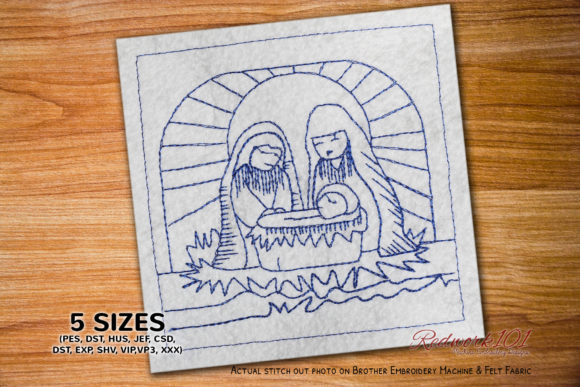
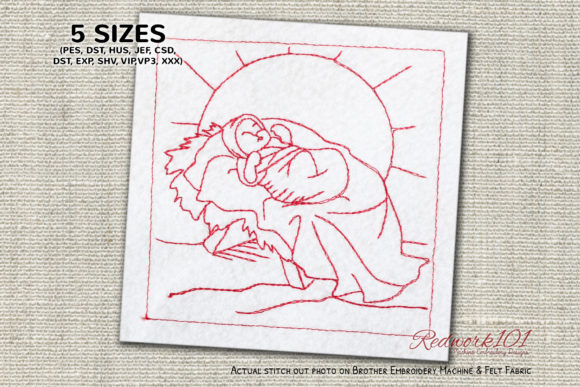
As an embroidery designer who’s developed seasonal collections for boutique apparel brands and Etsy sellers for over a decade, I opened Baby Jesus Bluework expecting quiet elegance—and it delivered. This Creative Fabrica embroidery design carries a gentle, hand-drawn charm with soft line work and intentional negative space. It’s not bold or flashy; instead, it leans into reverence and subtlety—classic rather than trendy, feminine without being fussy, and detailed without overwhelming density. The bluework technique suggests hand-stitched tradition, which translates beautifully to machine embroidery when executed thoughtfully. The optional Box Stitch frame adds structure but isn’t essential—you can skip it entirely if your garment’s texture or placement calls for minimalism.
Sweatshirt & Hoodie Performance: Chest Placement Done Right
Baby Jesus Bluework shines on neutral sweatshirts—think heather grey, oatmeal, or soft charcoal. Its delicate scale fits perfectly in standard chest placement (3.5"–4.5" width), avoiding the “too small to read, too large to balance” trap many Christmas embroidery files fall into. On oversized hoodies, I’d center it slightly lower on the chest for visual weight—never too high near the collar. For sleeve accents? Yes—but only on relaxed-fit sleeves with smooth fabric flow. Avoid tight ribbing or heavily textured cuffs; stitch density may catch or distort. As a back design? Only on lightweight hoodies or open-weave knits—its fine lines need breathing room, not compression from shoulder seams or movement stress.
T-Shirts, Denim, and Totes: Where Contrast & Clarity Matter
On light cotton tees, Baby Jesus Bluework reads clearly with medium-thread contrast (e.g., navy thread on ecru). On dark garments—navy denim jackets or black t-shirts—opt for high-contrast thread (ivory or pale gold) and consider adding a light tear-away stabilizer beneath to prevent shadowing. For tote bags, use it as a subtle side accent—not center-front—so it complements branding without competing. Its restrained personality supports lifestyle product photos exceptionally well: imagine it stitched on a cozy cream hoodie beside a ceramic mug and pine sprig—soft, intentional, quietly festive.
What Makes It Boutique-Ready?
This isn’t mass-market holiday clipart. Baby Jesus Bluework elevates handmade product perception because it feels curated—not generic. When customers see this on an Etsy listing or small shop product, it signals care in design selection, attention to textile harmony, and alignment with values like craftsmanship and meaning. That builds buyer trust faster than glittery Santas ever could. Visually, it supports brand consistency across seasonal collections—pair it with muted linen aprons, wool-blend scarves, or minimalist mugs, and the aesthetic holds. For social media graphics or printable mockups, its clean lines reproduce crisply at multiple sizes, making it versatile for Instagram carousels, Pinterest pins, or email banners.
Where to Use It Carefully (and Why)
- Stretchy fabric: Avoid high-stretch knits unless you test with cutaway + topping stabilizer—the fine outlines may pucker.
- Fleece or heavy terry: Too much loft hides detail. Stick to midweight French terry or brushed cotton.
- Ribbed fabric: Chest bands on hoodies often ripple under stitching—place just below the ribbing line, not on top.
- Curved surfaces: Skip shoulder seams or elbow bends—fine lines distort easily on compound curves.
- Tiny lettering or dense fills: This design has no micro-text, so no risk—but confirm file details on Creative Fabrica before assuming compatibility with ultra-fine needles or specialty threads.
Practical Designer Notes Before You Stitch
Before committing to production, run these checks: Test Baby Jesus Bluework on scrap fabric matching your final garment’s weight and texture. Choose stabilizer based on drape—not just thickness (e.g., lightweight cutaway for structured hoodies, tear-away for soft tees). Review thread color contrast under natural light; screen previews lie. Confirm hoop size requirements—some Creative Fabrica embroidery files include multiple sizes, but verify before hooping. Inspect stitch density visually in your embroidery software: look for overlapping runs or overly tight satin columns that could snag on fleece. Compare placement options using printed mockups—sometimes shifting ¼" higher or left changes everything. And always double-check licensing terms on Creative Fabrica: commercial embroidery rights are included, but resale of the digital embroidery file itself is not permitted.
Final Thought: A Quiet Anchor for Your Holiday Collection
In a season flooded with loud, fast-turnaround designs, Baby Jesus Bluework offers something rare: intentionality. It doesn’t shout—it invites. That makes it ideal for small clothing brands building emotional resonance, Etsy sellers differentiating from algorithm-driven trends, and crafters who treat each finished product as a quiet act of care. Used thoughtfully—with respect for fabric behavior, placement nuance, and brand voice—it becomes more than a Christmas embroidery file. It becomes part of your story.