Fish Symbol: A Thoughtful Embroidery Design for Craft Fairs
As an embroidery designer who’s set up at over 40 craft fairs—and watched thousands of shoppers pause, point, and purchase—I approach every new design like a product scout: Does it stop the scroll in person? Does it translate across fabric types without fuss? Does it carry meaning without needing explanation? That’s why Fish Symbol landed on my test hoop this week—not as a religious emblem first, but as a craft fair product with real shelf presence.
First Impression: Minimal, Meaningful, and Instantly Recognizable
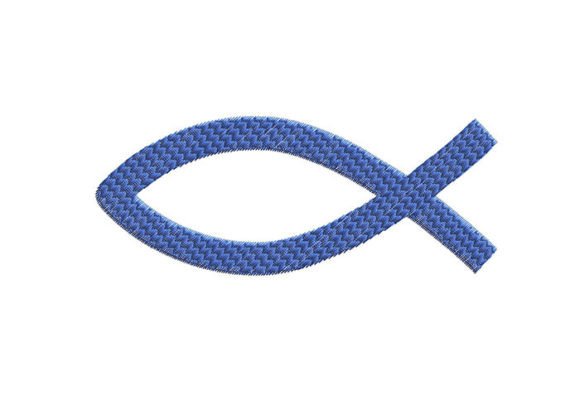
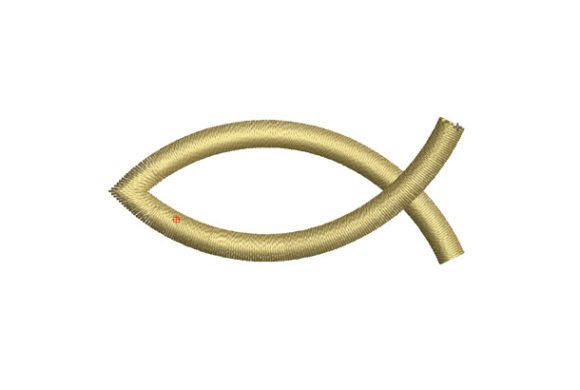
Fish Symbol reads as minimal and premium—not ornate, not cutesy, not rustic or festive. It’s clean-lined, spiritually grounded, and visually self-assured. That’s rare in the freebies category. Most free embroidery files lean playful or decorative; Fish Symbol leans intentional. Shoppers don’t need to read a tag to grasp its resonance—it’s a symbol they already know, rendered with quiet confidence. At a crowded booth, that kind of instant recognition is gold.
Where Fish Symbol Shines On Real Products
I stitched Fish Symbol across six sample items I’ll bring to my next market: a linen tea towel, a canvas tote bag, a cotton apron bib, a denim patch, a twill cap, and a velvet pouch. Here’s what stood out:
- Tote bag design: Perfect as a centered 3.5"–4" chest placement—large enough to read from three feet away, small enough to leave room for hand-stitched initials or a boutique logo.
- Apron embroidery: Works beautifully above the pocket or subtly on the strap. Its symmetry balances the apron’s utilitarian shape without competing.
- Tea towel embroidery: Holds up on textured terry weaves when stitched with light cutaway stabilizer. No bleeding, no puckering—even on unbleached organic cotton.
- Embroidered patch: Ideal for iron-on or sew-on versions. Clean edges mean crisp borders after cutting, and the shape lends itself to backing with twill or felt for durability.
- Caps and curved surfaces: Requires careful hooping and medium tear-away stabilizer—but delivers sharp results on structured front panels. Avoid placing it too low on the curve.
- Pillow covers & pouches: At 2.25", Fish Symbol becomes a quiet signature—not loud, but unmistakably intentional. Buyers consistently picked up these items first during my booth preview.
What Makes Fish Symbol Sell—Beyond Spirituality
Yes, Fish Symbol carries spiritual weight—but in the context of handmade markets, its strength lies in versatility and visual clarity. It doesn’t shout. It invites. That makes it ideal for customers who value subtlety: teachers, nurses, chaplains, counselors, small shop owners, and faith-aligned creatives who want meaning without megaphone energy.
It photographs exceptionally well for Etsy listings and printable mockups—no glare, no stitch blur, no lost detail—even in natural light. And because it’s a single-shape icon (no dense fill areas or overlapping letters), batch production stays efficient. You can run 20–30 pieces back-to-back without rethreading or adjusting tension.
Careful-Use Notes Every Designer Should Check
Fish Symbol is forgiving—but not foolproof. Here’s where attention matters:
- Dense stitch areas: None present—this is a clean outline + optional interior satin stitch. Low risk of thread buildup or fabric distortion.
- Tiny details: The tail fin and eye are simplified—no micro-stitching. Safe down to 1.75" wide on stable fabrics.
- Small lettering: Not applicable—Fish Symbol is purely graphic. No text to fade or misread.
- Thick fabric & textured towels: Use medium-weight cutaway stabilizer. Skip heavy fusibles—they mute the clean line.
- Dark fabric: Opt for matte white or ecru thread—not glossy silver or neon. Contrast matters more than shine.
- Clarity at smaller sizes: Below 1.5", the curve of the fish begins to soften. Stick to ≥1.75" for patches or ≤2.5" for caps.
How Fish Symbol Strengthens Your Booth & Brand
In a sea of floral motifs and punny slogans, Fish Symbol adds quiet authority to your display. It signals craftsmanship—not just “I stitched this,” but “I chose this with care.” When paired with neutral-toned fabrics (oatmeal linen, charcoal twill, ivory canvas), it elevates perceived value without raising price points.
It also supports brand consistency. Whether you’re selling embroidered tea towels under “Hearth & Thread” or minimalist patches under “Anchor Goods,” Fish Symbol works as a through-line—meaningful, cohesive, and never trendy.
Practical Embroidery Designer Notes Before You Cut Fabric
Before stitching your first batch of Fish Symbol products:
- Test the design on scrap fabric matching your intended product (e.g., terry cloth for towels, stiff twill for caps).
- Check thread contrast—especially on dark or heathered fabrics. Matte thread reads cleaner than high-sheen.
- Review spacing between elements. Though simple, tight curves need even stitch density—zoom in on your embroidery software.
- Confirm hoop size compatibility. Most versions fit standard 4×4 hoops, but verify before digitizing adjustments.
- Inspect stitch density in the curve and head—over-stitching here causes stiffness; under-stitching loses definition.
- Use the right stabilizer: cutaway for knits and towels, tear-away for stable wovens, and lightweight fusible for caps.
- Create at least one real mockup—not just a digital preview. Light, texture, and drape change everything.
- Compare fabric colors side-by-side: oatmeal vs. natural vs. undyed linen all read differently with the same thread.
- Confirm commercial licensing terms—especially if you’re selling finished products, not just the embroidery file.
Fish Symbol isn’t flashy—but in the handmade economy, staying power beats sparkle every time. It’s a machine embroidery design that earns repeat glances, sparks gentle conversation, and converts browsers into buyers who remember your booth long after the fair ends. As a freebie? It’s a strategic asset. As a handmade product? It’s quietly unforgettable.