Jesus Baby Christmas
A Quiet, Reverent Stitch—Not Just Another Holiday Design
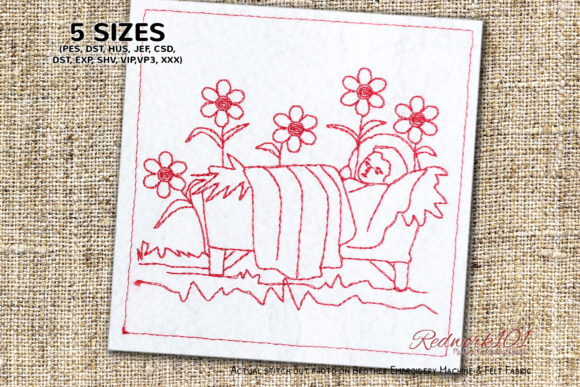
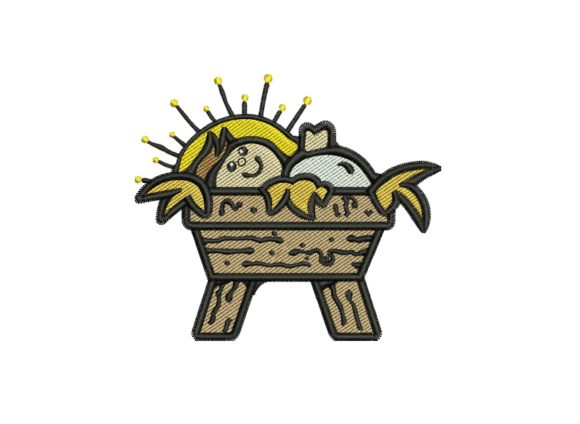
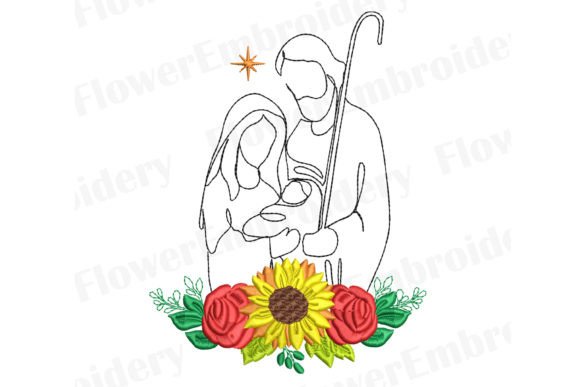
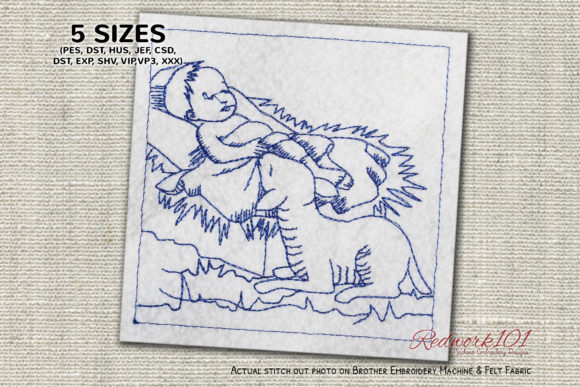
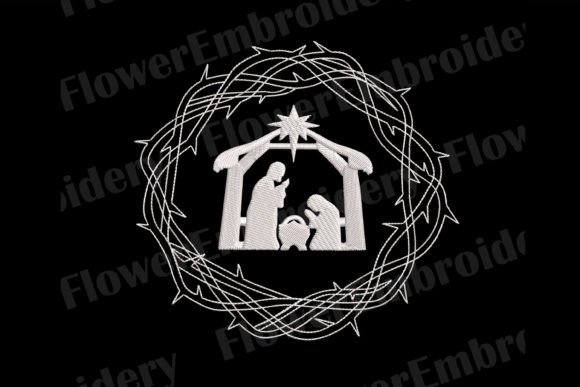
When I opened Jesus Baby Christmas for the first time, I didn’t see “cute” or “festive”—I saw stillness. That’s rare in machine embroidery design. Most nativity-themed files lean into ornamentation: glittery halos, oversized stars, busy borders. This one breathes. It’s centered, modest in scale, and built with intention—not decoration for decoration’s sake. The composition feels like a whispered moment: Mary cradling the infant, gentle folds in her robe, soft curves in the manger lines, no exaggerated drama. It reads as handmade, even before stitching begins.
Where It Lives Best—Real Projects, Real Reactions
Last week, I prepped a small-batch run of organic cotton baby blankets for a local boutique—each personalized with names and a holiday motif. I chose Jesus Baby Christmas for three of them. Why? Because parents don’t just buy baby embroidery; they buy meaning, tenderness, legacy. When that blanket lands in a newborn’s nursery, it’s not “seasonal decor.” It’s a quiet heirloom cue. And this design delivers that weight without heaviness.
I’ve also tested it on unbleached linen tea towels (for a kitchen gift set), midweight cotton tote bags (for church bazaars), and lightweight sweatshirts (for youth group Christmas gifts). On each, it held clarity: no stitch pile-up in the swaddling cloth, no bleeding at the edges of the manger wood grain. The satin stitch on Mary’s head covering stays crisp—even on slightly napped fabric—because the stitch density feels balanced, not aggressive. That matters when you’re stitching 50+ units for a craft fair or Etsy shop.
Fabrics & Surfaces: Where to Lean In—and Where to Pause
- Go ahead on: stable weaves (quilting cotton, twill, midweight fleece), flat surfaces (pillow covers, aprons, front-of-cap placements), and light-to-medium fabric textures. The design’s open negative space lets fabric show through gracefully—no suffocating fill stitch.
- Test carefully on: stretchy knits (like jersey t-shirts), ultra-thin voile or batiste (where delicate satin stitch may snag), dark fabrics (check thread contrast—cream or ecru works better than stark white), and curved cap fronts (hoop size and placement matter more here; centering is non-negotiable).
- Avoid on: heavily textured bouclé or thick sherpa—details blur, and the manger’s subtle shading gets lost. Also skip layered garments (like quilted jackets) unless you’re using cutaway + tear-away stabilizer combo and reducing top tension.
What It Does for Your Craft Business—Beyond the Stitch
Jesus Baby Christmas isn’t flashy—but that’s its strength in a saturated holiday market. Customers scrolling Etsy or browsing a boutique shelf respond to authenticity. This design signals care, not trend-chasing. It elevates a simple embroidered patch or sweatshirt from “nice” to “thoughtful.” That perception lifts perceived value, supports higher pricing, and builds trust—especially for faith-based or family-centered brands.
I’ve used it as a digital embroidery file in printable mockups for client pitches. Its clean silhouette renders well in grayscale previews, so buyers instantly grasp scale and balance—no guesswork. For small shop owners, that means fewer revision rounds and faster approvals. As a design asset, it layers cleanly with monograms or simple border motifs if you want to expand it into a suite (e.g., matching pillow + towel + onesie sets).
Practical Designer Notes—No Assumptions, Just Checks
- Always test on scrap fabric first—especially if pairing with stabilizer you haven’t used with this design before. Watch how the manger base anchors; that’s where tension shifts often show up.
- Review thread colors deliberately. Avoid high-contrast combos (like black on white) unless intentional—the mood leans gentle, not graphic. Soft ivories, warm taupes, and muted sage greens read beautifully.
- Confirm hoop size early. While compact, the design uses vertical space thoughtfully—don’t force it into a 4x4 hoop if your machine prefers 5x7 for smoother satin stitch flow.
- Inspect small details in your software: the infant’s face, the curve of Mary’s wrist, the spacing between manger slats. If those read clearly at 100% zoom, they’ll stitch cleanly.
- Try black-and-white mockups before finalizing listings—it reveals visual hierarchy and ensures legibility across devices and print catalogs.
- Use appropriate stabilizer. Tear-away works for stable wovens; cutaway is safer for knits or anything destined for frequent washing (baby items, kitchen towels).
- Verify licensing terms. Since this is a machine embroidery design intended for commercial use, confirm whether resale of finished products or redistribution of the digital embroidery file is permitted—before listing on Etsy or bundling into craft kits.
Final Thought: A Design That Serves the Moment
Jesus Baby Christmas won’t shout from a holiday display. It doesn’t need to. Its power lies in resonance—not volume. For makers who embroider baby clothes, create meaningful holiday gifts, stock boutique shelves, or build a brand rooted in sincerity, this design earns its place. It stitches true, reads warmly, and carries weight without weighing down your project. Use it where quiet matters most—and let the craftsmanship speak for itself.